

Summary
Reviewing a supplier’s insurance certificate is a critical step in supplier onboarding and compliance but it’s often rushed or overlooked. Many organisations simply check that a document exists, without properly validating whether it is accurate, current and sufficient for the work being carried out. This can expose projects to significant risk, including invalid cover, insufficient limits, gaps in protection and non-compliance with contract requirements. This guide walks you through exactly how to review a supplier’s insurance certificate step by step.
What Is an Insurance Certificate?
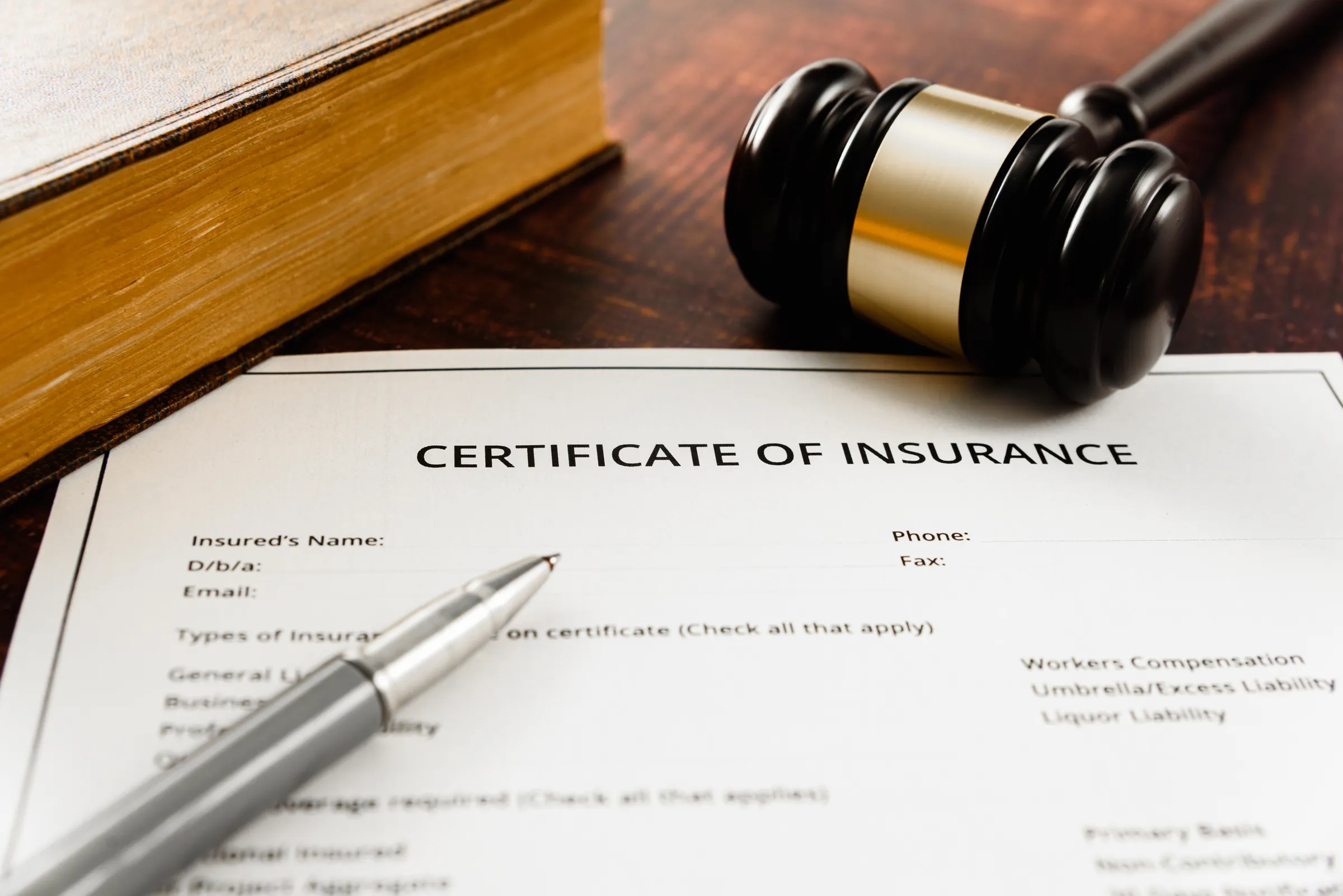
An insurance certificate is a document that confirms a supplier holds valid insurance cover.
In UK construction, the most common types include:
- Employers’ Liability (EL)
- Public Liability (PL)
- Professional Indemnity (PI)
👉 These are typically required as part of PQQs, audits, and contract compliance.
Why Proper Review Matters
Failing to properly review insurance documents can result in:
- Working with uninsured or underinsured suppliers.
- Financial exposure in the event of a claim.
- Breach of contract or framework requirements.
- Project delays or legal issues.
👉 A quick check is not enough, documents must be validated carefully.
Step-by-Step: How to Review a Supplier’s Insurance Certificate
1. Check the Supplier Name Matches Exactly
Ensure the name on the certificate:
- Matches the legal entity you are contracting with
- Includes correct spelling and company structure (Ltd, LLP, etc.)
👉 Mismatched names may invalidate cover.
2. Confirm the Type of Insurance
Check that the supplier holds the correct policies:
- Employers’ Liability (required by UK law if they employ staff)
- Public Liability
- Professional Indemnity (if providing design/advisory services)
👉 Missing policy types are a major red flag.
3. Verify the Level of Cover
Review the indemnity limits carefully.
Typical minimums (may vary by project):
- EL: £10 million
- PL: £5–10 million
- PI: £1–5 million
👉 Ensure limits meet your contract or framework requirements.
4. Check the Policy Dates
Look for:
- Start date
- Expiry date
👉 The policy must:
- Be currently valid
- Cover the full duration of the project (or be renewable)
⚠️ Expired or soon-to-expire policies are a common issue.
5. Review the Insurer Details
Confirm that:
- The insurer is reputable
- The policy number is clearly stated
👉 Unknown or unverified insurers may increase risk.
6. Check for Policy Exclusions
Many people skip this, but it’s critical.
Look for exclusions that could affect your project, such as:
- Specific types of work not covered
- Height restrictions
- Hazard exclusions
👉 A policy may exist but still not cover your project.
7. Ensure Activities Match the Work
Check that the insurance covers the type of work being carried out.
For example:
- Construction activities
- Design services
- Specialist installations
👉 If the activity isn’t covered, the policy may be invalid for your project.
8. Confirm Employers’ Liability Compliance
In the UK:
- EL insurance must meet legal requirements
- Certificates should reference compliance with UK legislation
👉 This is a legal requirement, not just best practice.
9. Request Supporting Documents (If Needed)
If anything is unclear, request:
- Full policy wording
- Broker confirmation
- Updated certificates
👉 Never assume, always verify.
10. Record and Track Expiry Dates
Once reviewed:
- Log the expiry date
- Set reminders for renewal
- Store documents centrally
👉 This prevents compliance gaps later in the project.
Insurance Review Checklist
Use this quick checklist when reviewing supplier insurance:
- Supplier name matches legal entity
- Correct insurance types in place (EL, PL, PI)
- Indemnity limits meet requirements
- Policy is valid and in date
- Insurer is reputable
- No critical exclusions
- Activities align with project scope
- Supporting documents verified (if required)
- Expiry dates recorded and tracked
Common Mistakes to Avoid
- Accepting expired certificates
- Not checking indemnity limits
- Ignoring exclusions
- Failing to match company names
- Not tracking renewal dates
- Assuming “certificate = compliant”
Pro Tip: Centralise and Automate Insurance Tracking
Manually managing insurance documents across multiple suppliers can quickly become unmanageable.
Common issues include:
- Missed expiry dates
- Lost documents
- Inconsistent reviews
Using a centralised system allows you to:
- Track insurance compliance in real time
- Receive expiry alerts
- Standardise document reviews
- Reduce manual admin
Conclusion
Reviewing a supplier’s insurance certificate is not just a tick-box exercise, it’s a critical part of protecting your project from risk.
By following a structured review process, you can ensure suppliers are properly covered, compliant and fit to deliver work safely and reliably.

Posted on 13 Apr 2026

Planning Your 2027 Construction Compliance Calendar: What to Prepare for Now
2027 might still feel some way off, but effective compliance management starts long before January. Supplier insurances expire, accreditations need renewing, PQQ information becomes outdated and regulatory requirements continue to evolve. Planning your compliance calendar now can help your business stay ahead of deadlines, reduce supplier risk and avoid the last-minute rush.

Tender Prices Could Rise Over 20% by 2029 - What It Means for Your Supply Chain
Construction tender prices could climb by more than a fifth between now and 2029, and crucially much of that cost risk is expected to be retained by the supply chain rather than passed up the chain. That's the headline from analysis by consultancy Arcadis, reported by Construction News. With steel tariffs, geopolitical instability and a new carbon border measure all adding pressure and the cost of tendering itself rising, margins are getting squeezed from both directions. This article breaks down what the forecasts say, why suppliers are most exposed, and the practical steps, including supply chain management technology, that reduce the operational and risk costs inflation brings.

The Difference Between Supplier Compliance and Supplier Performance
Many organisations use the terms supplier compliance and supplier performance interchangeably, but they are not the same thing. A supplier may be fully compliant yet consistently underperform. Likewise, a supplier may deliver excellent work but fail to maintain the required certifications, insurance or compliance documentation. Understanding the difference is critical for organisations looking to reduce risk, improve project outcomes and build stronger supply chains. The most successful supply chain management strategies focus on both compliance and performance because one without the other can still expose a business to significant risk.