
Summary
This summer has shown just how vulnerable the UK can be to prolonged heatwaves and wildfires. While fire safety has always been a priority in construction, changing weather patterns are creating new challenges for designers, contractors and building owners. In this article, we explore what the industry can learn from this summer and why preparing buildings for a hotter future starts long before temperatures begin to rise.
Introduction
This summer has been another reminder that extreme weather is no longer something we only associate with other parts of the world.
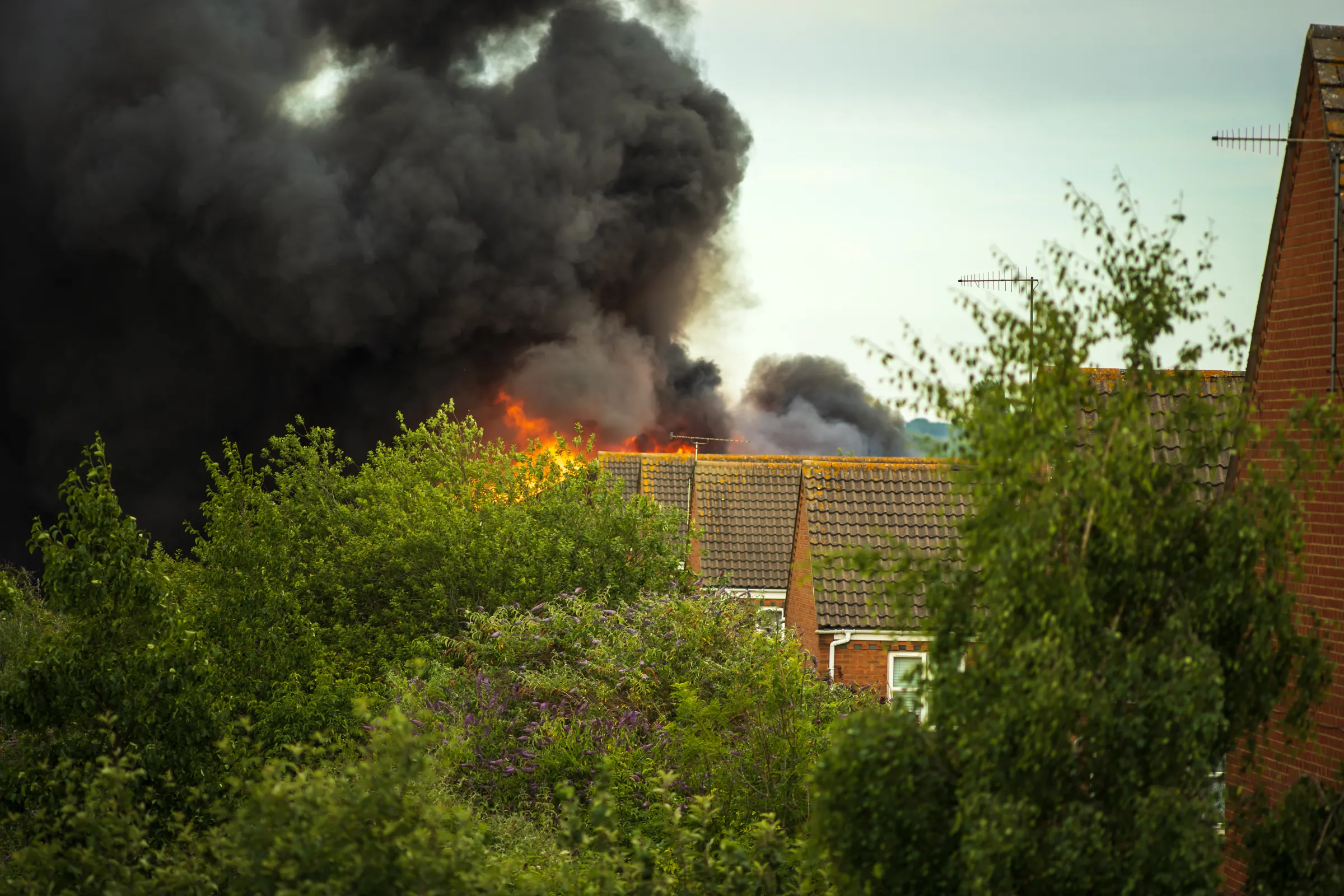
Across the UK, prolonged heatwaves and an unprecedented wildfire season have damaged homes, disrupted infrastructure and stretched emergency services. Millions of people received emergency alerts warning of wildfire risk, while fire crews responded to record numbers of incidents across England and Wales.
For the construction industry, these events raise an important question.
Are we designing, constructing and managing buildings for the climate we're likely to face and not the one we've experienced in the past?
Fire Safety Is No Longer Just About the Building
When people think about fire safety, they often think about alarms, escape routes and fire-resistant materials.
These remain essential.
But today's risks extend beyond the building itself.
Longer periods of hot, dry weather are increasing the likelihood of grass fires and wildfires spreading towards homes, commercial buildings and infrastructure. Fire chiefs have warned that prolonged heat is creating conditions where even small ignition sources can quickly develop into major incidents.
Designing for resilience increasingly means thinking about the environment around a building as well as the building itself.
Maintenance Plays a Bigger Role Than Many Realise
Fire resilience isn't achieved on the day a building is completed.
It depends on ongoing maintenance.
Examples include:
- Inspecting fire doors.
- Maintaining fire-stopping systems.
- Testing alarms and emergency lighting.
- Keeping evacuation plans up to date.
- Managing vegetation close to buildings where appropriate.
- Ensuring fire safety records remain current.
Small maintenance tasks completed consistently can make a significant difference over the lifetime of a building.
Good Information Saves Valuable Time
In an emergency, information matters.
Building owners, facilities managers and emergency responders need confidence that they can quickly access accurate information about a building.
That includes:
- Fire strategies
- Building layouts
- Asset information
- Fire door schedules
- Maintenance history
- Inspection records
- O&M manuals
When information is complete, accurate and easy to access, decisions can be made more quickly and with greater confidence.
Resilience Starts During Design
Preparing for hotter summers shouldn't begin after a building has been occupied.
It starts much earlier.
Design teams are increasingly considering:
- Fire-resistant materials.
- External landscaping.
- Building orientation.
- Ventilation strategies.
- Future maintenance requirements.
- Climate resilience.
The buildings we design today will still be standing decades from now, so they should be capable of adapting to tomorrow's challenges.
The Golden Thread Has Never Been More Important
The Building Safety Act introduced the concept of the Golden Thread to ensure critical building information remains accurate, accessible and up to date.
As climate-related risks increase, that principle becomes even more valuable.
Reliable building information supports:
- Better maintenance.
- Faster inspections.
- More informed decision-making.
- Safer building management.
The Golden Thread isn't simply about compliance.
It's about ensuring the right people have the right information when it matters most.
How Liaison Supports Safer Buildings
At Liaison, we believe resilience starts with trusted information.
Our platforms help organisations manage building information throughout the entire lifecycle of an asset.
View
View provides a secure, central location for drawings, O&M manuals, fire strategies, Health & Safety files and asset information, helping building owners and facilities managers access trusted information whenever it's needed.
Maintain
Maintain helps organisations plan inspections, manage maintenance activities and maintain accurate records of building assets, supporting a proactive approach to building safety.
Together, these platforms help ensure important information remains available long after practical completion, supporting safer, more resilient buildings.
Looking Ahead
No one can predict exactly what next summer will bring.
However, recent events suggest hotter, drier conditions are becoming more common, and construction must be ready to respond.
Fire resilience is no longer just about complying with today's standards.
It's about preparing buildings for tomorrow's environment.
Conclusion
Construction has always adapted to new challenges.
Today's challenge is ensuring the buildings we design, construct and manage remain safe in a changing climate.
By combining thoughtful design, proactive maintenance and trusted building information, the industry can create buildings that are better prepared for whatever the future brings.
Because resilience isn't built when temperatures rise.
It's built long before they're ever tested.

Posted on 24 Aug 2026
Related platformView
Online Building Information
Handover is three weeks away and the O&M manual doesn’t exist yet. View collects supplier information as the project runs, then gives the client a searchable record of every asset instead of a PDF nobody opens.
Find out more
What Is Planned Preventative Maintenance (PPM)? A Practical Guide for Building Managers
Planned Preventative Maintenance (PPM) is one of the most effective ways to keep buildings safe, compliant and operating efficiently. Rather than waiting for equipment to fail, PPM focuses on regular inspections and scheduled maintenance to prevent costly breakdowns before they happen. In this guide, we explain what PPM is, why it's important and how building managers can develop an effective maintenance strategy.

Your O&M Manual Isn't the Golden Thread: Understanding the Difference
An O&M Manual is an essential part of a building's information, but it isn't the Golden Thread. This article explains the difference, why it matters at handover and beyond, and how connected digital information can support safer, more effective building management throughout the entire lifecycle.

What Is an Asset Register and Why Does Your Building Need One?
An asset register provides a structured record of the equipment and systems within a building. Discover what it should contain, why it matters and how keeping it up to date can support better maintenance and facilities management.