


Summary
For many people, a spell of hot weather is something to enjoy. For the construction industry, however, prolonged periods of extreme heat present a very different challenge. Across the UK, heatwaves are becoming more frequent, lasting longer, and reaching higher temperatures than in previous decades. Whilst construction has traditionally been associated with managing rain, wind, and freezing conditions, many organisations are now recognising that heat poses its own risks to workers, project delivery, materials and site operations. The challenge is no longer simply how to get through this week's high temperatures. It is how the industry adapts to a changing climate over the long term.
Heat Is More Than a Health & Safety Issue
Worker safety will always remain the top priority.
Heat stress, dehydration, fatigue and sun exposure can all increase the risk of illness and accidents on site.
However, the impact of high temperatures extends well beyond individual wellbeing.
Extreme heat can affect:
- Productivity
- Project programmes
- Material performance
- Plant and equipment
- Logistics
- Supply chain reliability
As temperatures continue to rise during summer months, organisations are increasingly treating heat as an operational risk rather than simply a weather event.
Productivity Naturally Falls in Extreme Heat
Construction is physically demanding.
As temperatures increase, workers naturally require:
- More frequent breaks
- Additional hydration
- Slower working speeds
- More recovery time
This isn't a sign of reduced commitment, it's the body's natural response to protecting itself from overheating.
Attempting to maintain normal productivity levels during extreme heat can increase fatigue and reduce concentration, ultimately increasing the likelihood of mistakes and accidents.
Planning for reduced productivity during heatwaves is often a safer and more realistic approach than expecting business as usual.
Materials Don't Always Behave the Same Way
Hot weather doesn't only affect people.
Many construction materials also perform differently in higher temperatures.
Examples include:
- Concrete curing more quickly than expected
- Asphalt becoming softer
- Adhesives setting faster
- Sealants behaving differently
- Paints drying more rapidly
These changes may require adjustments to working practices, installation methods, or project sequencing.
Site teams should always follow manufacturer guidance when working in unusually hot conditions.
Plant and Equipment Face Additional Pressure
Construction plant and equipment also experience greater strain during periods of extreme heat.
Higher temperatures can contribute to:
- Engine overheating
- Increased wear
- Cooling system failures
- Reduced equipment efficiency
Routine inspections become even more important during prolonged hot weather to minimise downtime and reduce the risk of equipment failures affecting project programmes.
Heat Can Affect the Supply Chain Too
Heatwaves don't only impact construction sites, they can affect the wider supply chain.
Transport delays, changes to working hours, reduced productivity in manufacturing, and disruption across logistics networks can all influence material availability and delivery schedules.
For contractors, this highlights the importance of maintaining strong communication with suppliers and planning ahead where possible.
Building flexibility into procurement and delivery schedules can help reduce the impact of unexpected disruption.
Planning for a Changing Climate
Historically, many organisations have treated extreme heat as an occasional event.
Increasingly, that assumption is changing.
Many experts expect hotter summers to become more common, meaning construction businesses may need to adapt their planning and working practices accordingly.
Examples include:
- Starting work earlier during hot weather
- Scheduling physically demanding activities during cooler periods
- Increasing shaded rest areas
- Providing additional welfare facilities
- Reviewing risk assessments for seasonal conditions
Planning ahead can help minimise disruption whilst protecting workers.
Looking After People Comes First
Construction has made significant progress in recent years when it comes to health, safety and wellbeing.
Managing heat should form part of that culture.
Simple measures can make a significant difference:
- Encourage workers to drink water regularly.
- Provide shaded rest areas.
- Rotate physically demanding tasks where possible.
- Watch for signs of heat exhaustion.
- Encourage colleagues to look out for one another.
Sometimes the most effective safety measure is simply asking someone, "Are you okay?"
Technology Can Help Site Teams Stay Organised
Periods of disruption often highlight the importance of good planning and communication.
Whether dealing with changing schedules, delayed deliveries, or revised work programmes, having accurate project information available to the right people becomes increasingly valuable.
Digital systems can help construction teams maintain visibility over project documentation, supplier information, and operational records, making it easier to adapt when conditions change.
Whilst technology cannot prevent a heatwave, it can help organisations respond more efficiently when plans need to change.
Building Resilience for the Future
The construction industry has always adapted to changing conditions.
Whether responding to new regulations, evolving technologies, or economic pressures, resilience has become one of the sector's greatest strengths.
Heatwaves are simply another reminder that planning for the future means considering more than just budgets and programmes.
It means thinking about people, processes and preparedness.
The organisations that adapt their working practices today are likely to be better prepared for the challenges of tomorrow.
Conclusion
Heatwaves are no longer unusual events that happen once every few years.
They are becoming an increasingly common part of the UK's climate, bringing new challenges for construction professionals across every stage of a project.
Protecting workers will always remain the priority, but organisations must also consider the wider impact on productivity, materials, equipment, supply chains and project delivery.
By recognising heat as a long-term operational challenge rather than a short-term inconvenience, the industry can continue to build safer, more resilient projects in a changing climate.
Because successful construction isn't just about responding to today's weather,it's about preparing for tomorrow's.

Posted on 08 Jul 2026
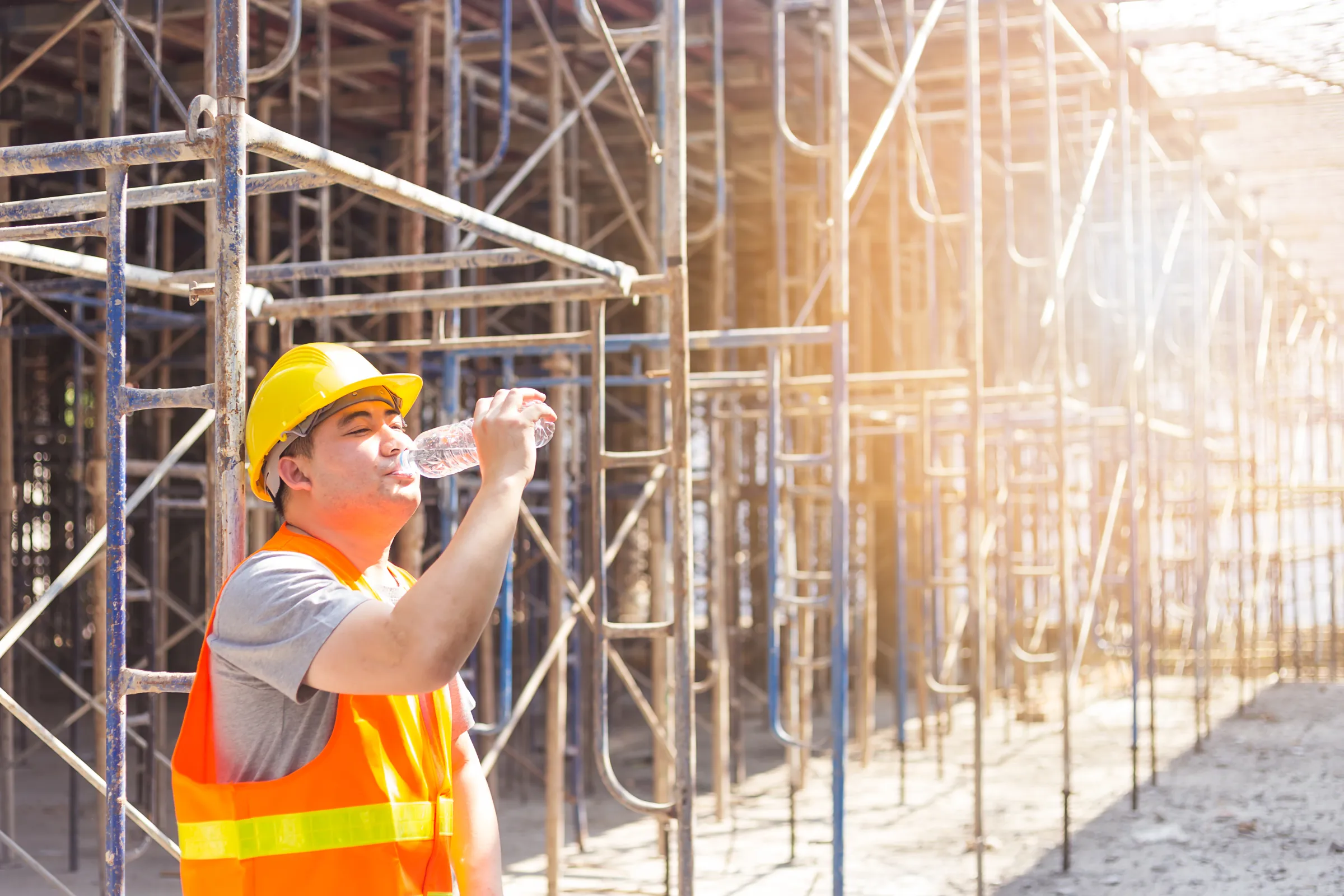
Working Safely in Hot Weather: A Guide for Construction Workers and Site Managers
With temperatures rising across the UK this week, construction workers and site managers face a number of challenges that go beyond simple discomfort. Unlike many office based professions, construction workers often spend long periods working outdoors, exposed to direct sunlight, physical exertion and heat retaining materials such as steel, concrete and asphalt. Whilst many people enjoy the warmer weather, prolonged exposure to high temperatures can have a serious impact on health, safety, productivity and wellbeing. Understanding the risks and taking simple preventative measures can help keep everyone safe on site.
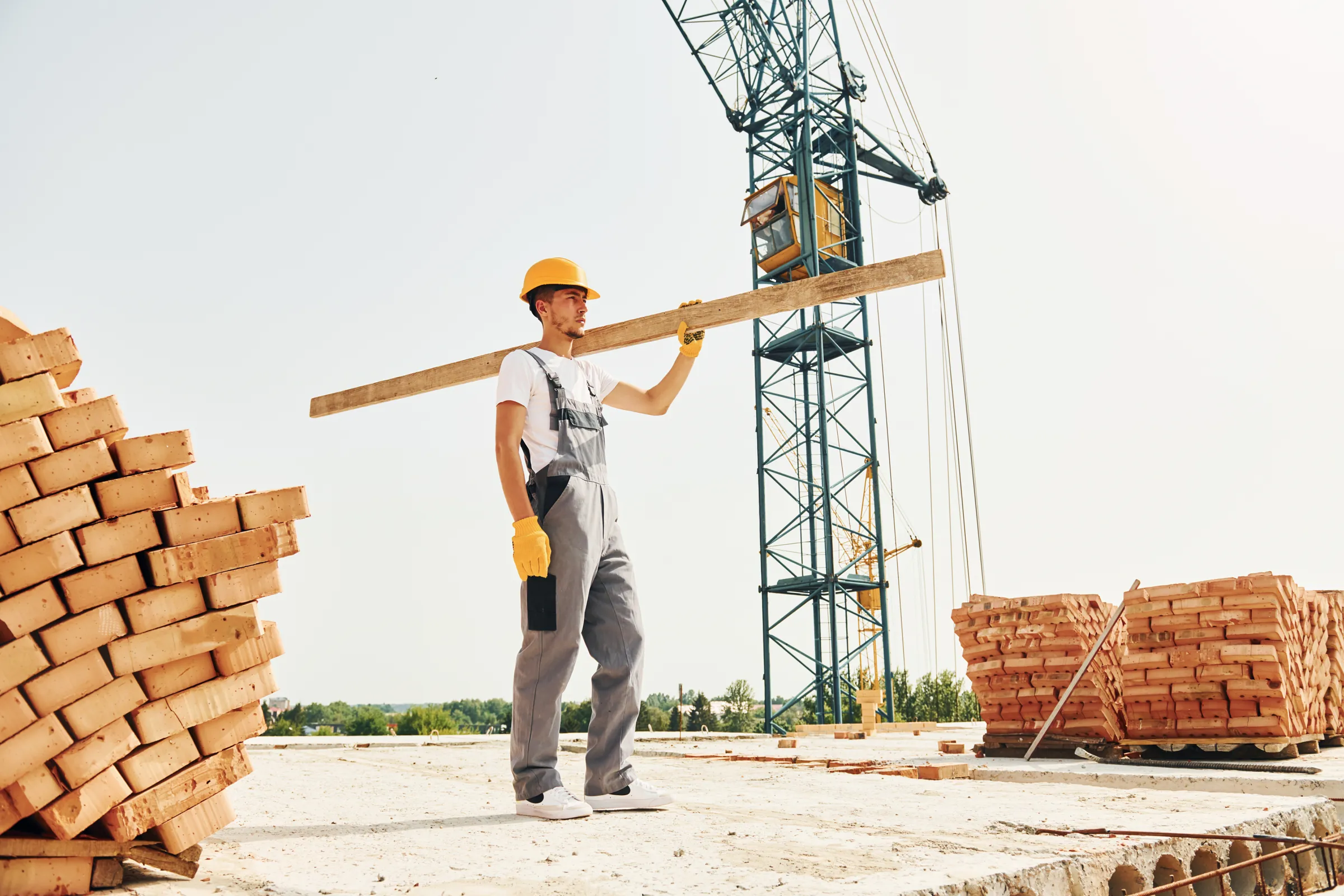
Are We Building for Tomorrow's Climate?
This week, much of the UK has experienced another spell of exceptionally hot weather. For many people, it's a welcome reminder that summer has arrived. For the construction industry, however, it raises a much bigger question.
What Could Keir Starmer's Resignation Mean for Commercial Construction?
Political change often creates uncertainty for businesses and the construction sector is no exception. Following Keir Starmer's announcement that he will step down as Prime Minister, attention has quickly turned to what comes next for the UK economy, public investment, infrastructure spending and business confidence. While markets have remained relatively stable following the announcement, questions remain about how a new leadership team could shape government priorities over the coming years. For the commercial construction sector, leadership changes can influence everything from investment decisions and procurement strategies to major infrastructure programmes and supply chain planning. While it is too early to predict exactly what changes may occur, there are several areas the industry will be watching closely.