

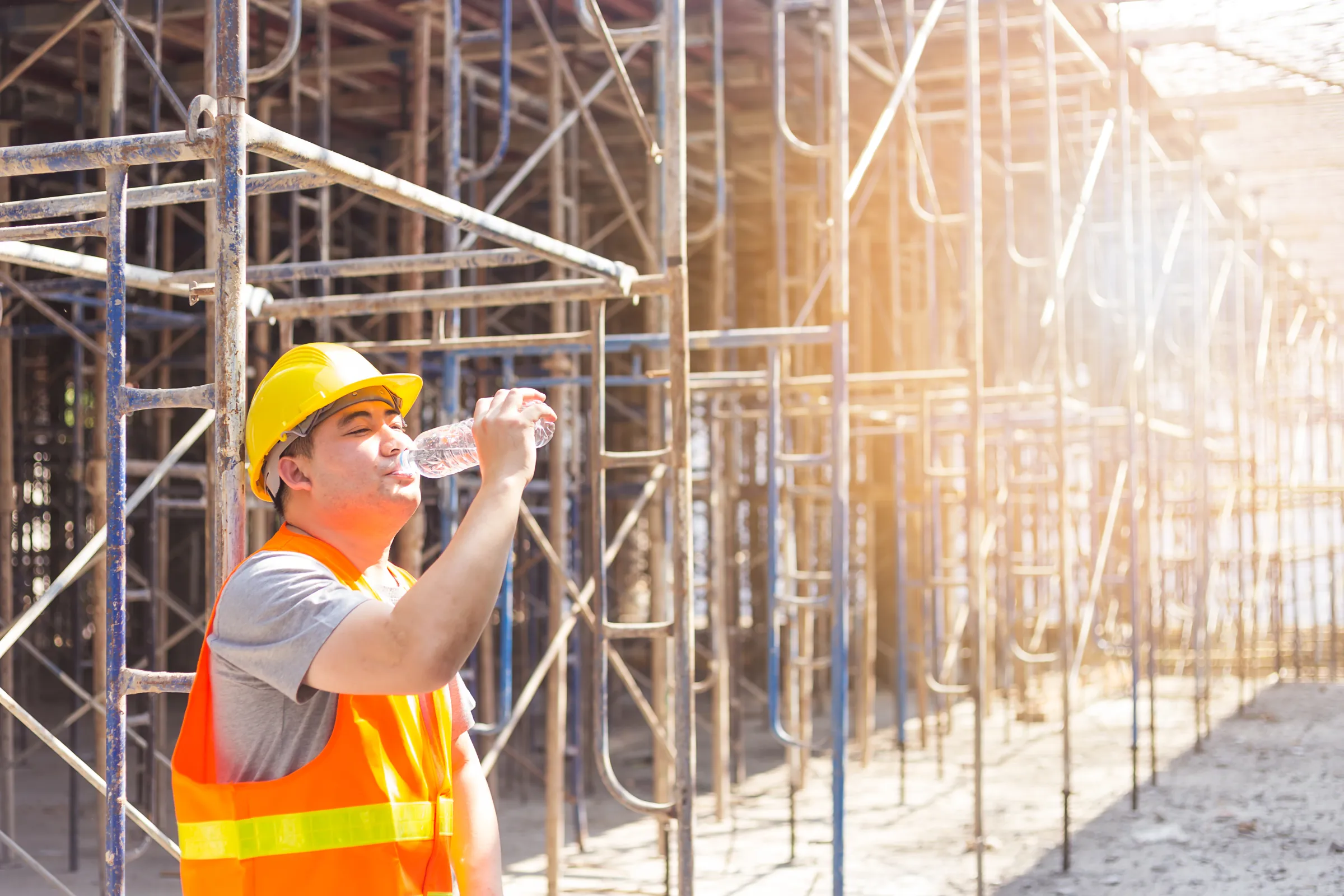
Summary
With temperatures rising across the UK this week, construction workers and site managers face a number of challenges that go beyond simple discomfort. Unlike many office based professions, construction workers often spend long periods working outdoors, exposed to direct sunlight, physical exertion and heat retaining materials such as steel, concrete and asphalt. Whilst many people enjoy the warmer weather, prolonged exposure to high temperatures can have a serious impact on health, safety, productivity and wellbeing. Understanding the risks and taking simple preventative measures can help keep everyone safe on site.
Why Hot Weather Can Be Dangerous on Construction Sites
Construction work is physically demanding at the best of times.
When temperatures rise, the body has to work even harder to regulate its temperature.
This can lead to:
- Dehydration
- Fatigue
- Reduced concentration
- Heat exhaustion
- Heat stroke
Hot weather can also increase the likelihood of mistakes and accidents, particularly when workers become tired or lose concentration.
For site managers, this means that heat should be treated as a genuine health and safety risk rather than simply an inconvenience.
The Warning Signs of Heat Stress
Heat stress occurs when the body struggles to cool itself effectively.
Early warning signs can include:
- Excessive sweating
- Dizziness
- Headaches
- Muscle cramps
- Nausea
- Tiredness
- Difficulty concentrating
If left untreated, heat stress can develop into heat exhaustion or, in extreme cases, heat stroke.
Workers should be encouraged to report symptoms early and look out for colleagues who may be struggling.
Dehydration Is One of the Biggest Risks
One of the most common issues during hot weather is dehydration.
Even mild dehydration can affect:
- Concentration
- Reaction times
- Physical performance
- Decision-making
Construction workers can lose significant amounts of fluid through sweating, particularly when carrying out manual tasks.
To reduce the risk:
Drink water regularly throughout the day.
Don't wait until you feel thirsty.
Take advantage of designated drinking stations.
Avoid excessive caffeine and energy drinks.
Site managers should ensure fresh drinking water is readily available across the site.
Sun Exposure Can Cause Long Term Health Problems
While immediate heat related illnesses often receive the most attention, prolonged exposure to ultraviolet (UV) radiation can have serious long term consequences.
Construction workers spend significantly more time outdoors than most professions, increasing their exposure to:
- Sunburn
- Skin damage
- Premature ageing
- Skin cancer
Workers should consider:
- Applying sunscreen regularly
- Wearing long sleeved lightweight clothing where practical
- Using neck protection and hats when PPE requirements allow
- Taking breaks in shaded areas
Protecting skin today can help prevent health problems in the future.
Hot Weather Increases Safety Risks
Heat affects more than just physical wellbeing.
Research has shown that fatigue and dehydration can reduce concentration and increase the likelihood of errors.
On construction sites this can lead to:
- Trips and falls
- Poor decision-making
- Equipment misuse
- Reduced situational awareness
- Increased accident risk
Simple tasks can become more difficult when workers are tired and overheated.
This is why regular breaks are essential during periods of extreme heat.
Practical Steps Site Managers Can Take
Site managers play an important role in protecting workers during hot weather.
Practical measures may include:
Adjusting Working Hours
Where possible, schedule physically demanding tasks during cooler parts of the day.
Increasing Rest Breaks
Provide additional opportunities for workers to cool down and rehydrate.
Providing Shade
Temporary shelters and shaded rest areas can make a significant difference.
Monitoring Workers
Pay particular attention to workers carrying out strenuous activities or wearing heavy PPE.
Encouraging Open Communication
Workers should feel comfortable reporting symptoms without worrying about appearing weak or unproductive.
Looking After Mental Wellbeing
Hot weather can also impact mood, stress levels, and mental wellbeing.
Poor sleep during warm nights can leave workers feeling:
- Irritable
- Fatigued
- Less focused
- More stressed
Employers should recognise that the effects of heat can extend beyond physical health and influence overall wellbeing on site.
A simple conversation and regular check-ins can go a long way.
Don't Forget Plant and Equipment
High temperatures can also affect:
- Machinery
- Vehicles
- Power tools
- Temporary equipment
Site teams should monitor equipment for signs of overheating and ensure maintenance checks are carried out as required.
The impact of hot weather isn't limited to people alone.
Creating a Positive Safety Culture
Perhaps the most important thing organisations can do is encourage a culture where looking after yourself and others is considered part of the job.
Construction has made huge strides in recent years around mental health and wellbeing.
Managing heat related risks should be viewed in the same way.
Conclusion
Hot weather can bring additional challenges to construction sites, but with proper planning and awareness, many of the risks can be managed effectively.
Whether you're a site manager, supervisor, contractor, or operative, taking heat seriously is an important part of maintaining a safe and productive working environment.
As temperatures continue to rise during the summer months, remember that staying hydrated, recognising warning signs early and looking out for one another can help ensure everyone goes home safely at the end of the day.
Because no deadline or programme is more important than the health and wellbeing of the people delivering the work.

Posted on 24 Jun 2026
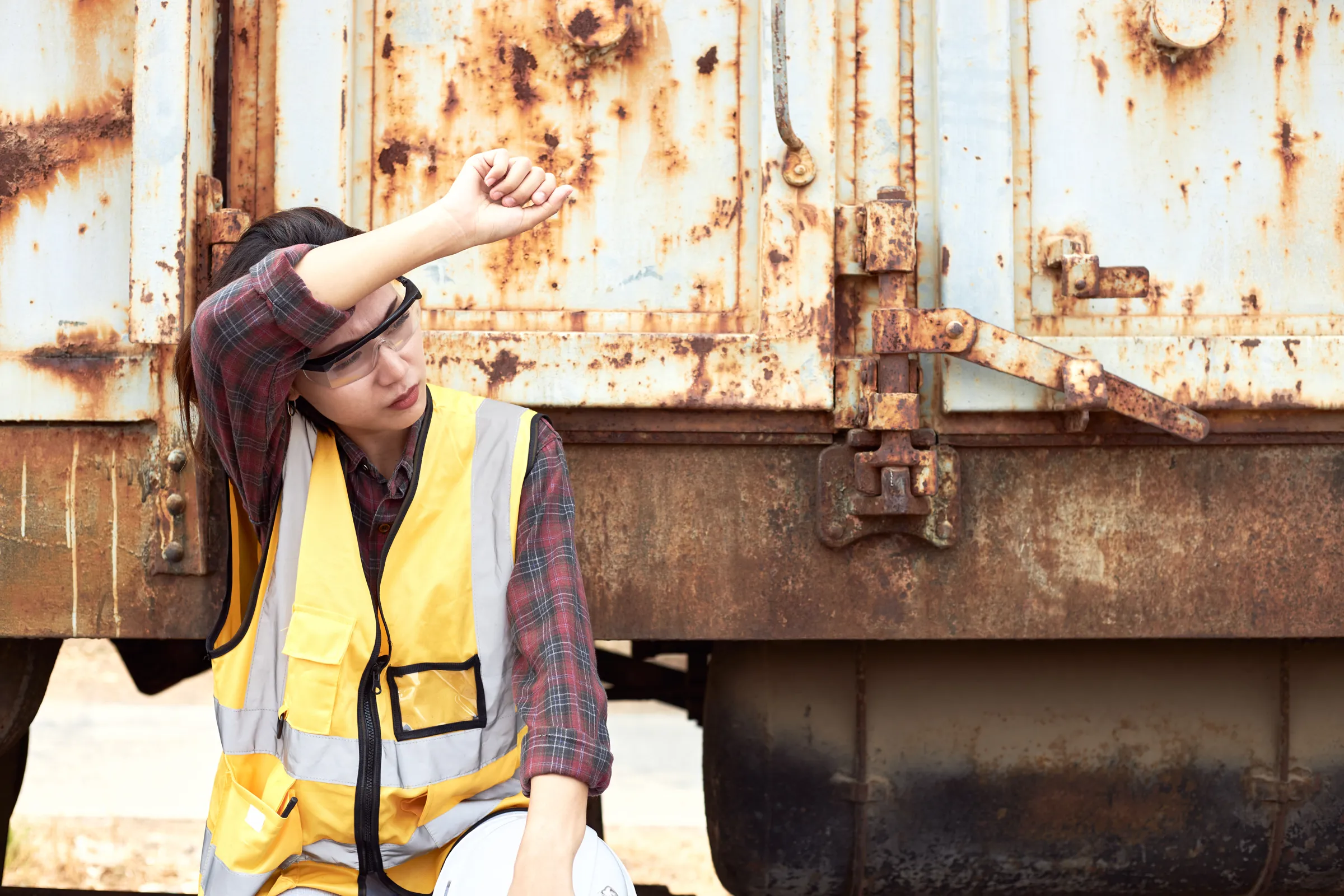
Heatwaves Are Becoming a Long-Term Construction Challenge
For many people, a spell of hot weather is something to enjoy. For the construction industry, however, prolonged periods of extreme heat present a very different challenge. Across the UK, heatwaves are becoming more frequent, lasting longer, and reaching higher temperatures than in previous decades. Whilst construction has traditionally been associated with managing rain, wind, and freezing conditions, many organisations are now recognising that heat poses its own risks to workers, project delivery, materials and site operations. The challenge is no longer simply how to get through this week's high temperatures. It is how the industry adapts to a changing climate over the long term.
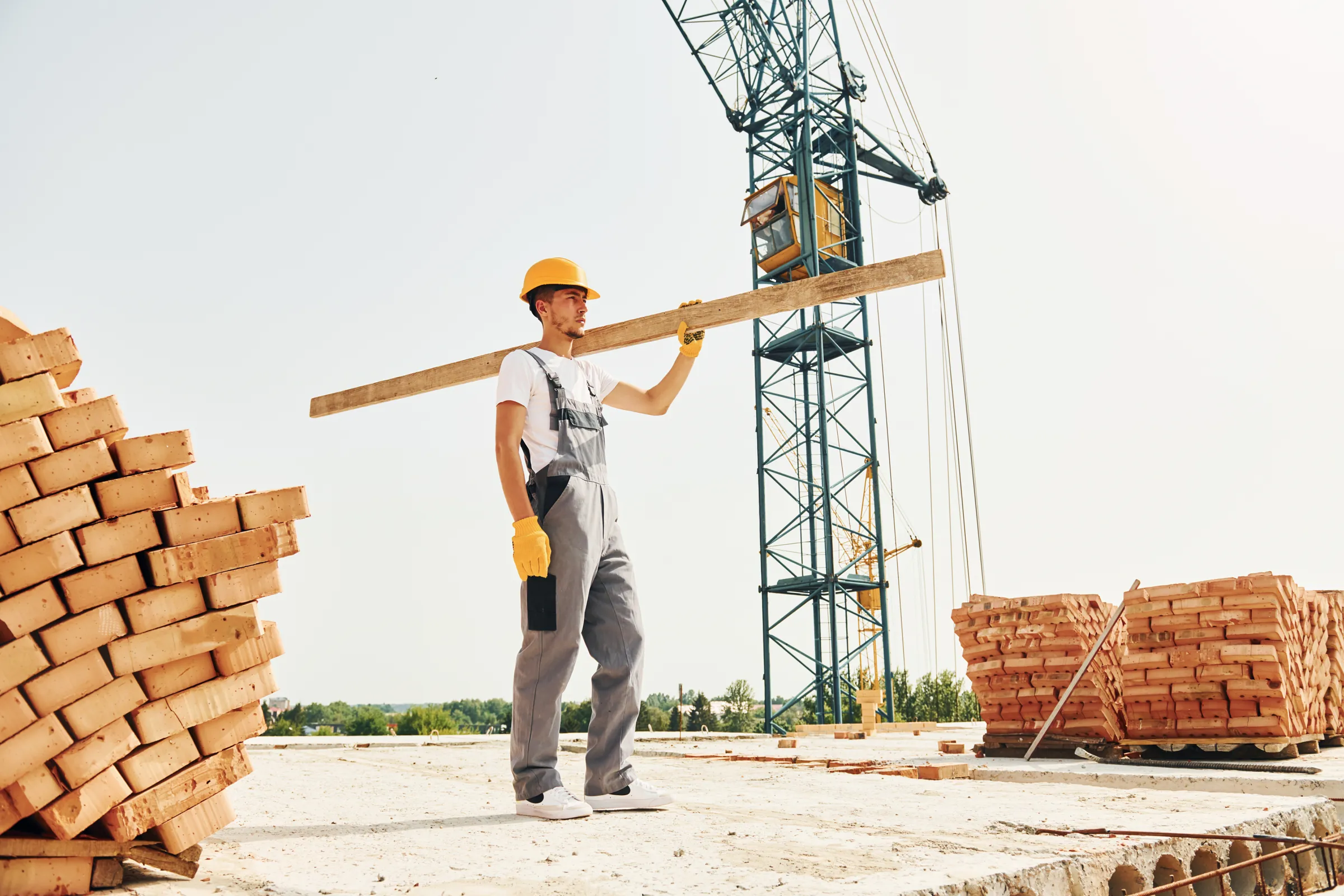
Are We Building for Tomorrow's Climate?
This week, much of the UK has experienced another spell of exceptionally hot weather. For many people, it's a welcome reminder that summer has arrived. For the construction industry, however, it raises a much bigger question.

Are Your Approved Suppliers Still Actually Approved? | Supplier Compliance
Getting onto an approved supplier list is only the beginning. Insurance expires, certifications lapse, businesses change and supplier performance evolves. If a supplier was approved one, two or even five years ago, how confident are you that they still meet your requirements today? We explore why supplier approval should be an ongoing process rather than a one time exercise.