


Summary
For years, spreadsheets have been the default tool for managing suppliers in construction. They’re familiar, flexible and easy to set up. But as supply chains become more complex and compliance requirements increase, many organisations are starting to ask: Is Excel still enough? This article compares spreadsheet-based supplier management vs digital systems, helping you understand the risks, limitations and when it’s time to move on.
What Is Spreadsheet-Based Supplier Management?
Spreadsheet-based supplier management typically involves:
- Tracking supplier details in Excel.
- Storing compliance documents in folders.
- Manually updating expiry dates.
- Sharing files across teams via email or shared drives.
👉 It’s simple, but inefficient due to its heavy reliance on manual processes.
What Is Digital Supplier Management?
Digital supplier management uses a centralised platform to manage:
- Supplier onboarding.
- Compliance documents.
- Insurance and certifications.
- Performance tracking.
- Risk and audit data.
- Supplier selection.
👉 Everything is stored, tracked and updated in one place.
Spreadsheet vs Digital: Key Differences
1. Data Accuracy
Spreadsheets:
- Prone to human error.
- Duplicate entries common.
- Data quickly becomes outdated.
Digital systems:
- Single source of truth.
- Automated updates.
- Reduced manual input.
2. Compliance Tracking
Spreadsheets:
- Expiry dates tracked manually.
- Easy to miss renewals.
- No automated alerts.
Digital systems:
- Real-time compliance tracking.
- Automated expiry notifications.
- Central document storage.
3. Visibility Across Projects
Spreadsheets:
- Data spread across multiple files.
- Limited visibility across teams.
- Difficult to consolidate information.
Digital systems:
- Full visibility across suppliers and projects.
- Central dashboard reporting.
- Easy access for stakeholders.
4. Audit and Reporting
Spreadsheets:
- Time-consuming to compile reports.
- Inconsistent audit records.
- Limited historical tracking.
Digital systems:
- Instant reporting.
- Standardised audit processes.
- Historical data and trends available.
5. Scalability
Spreadsheets:
- Becomes difficult to manage as supply chains grow.
- Increased risk of errors.
- Slower processes.
Digital systems:
- Scales easily with your organisation.
- Handles large supplier volumes.
- Supports multi-project environments.
6. Risk Management
Spreadsheets:
- Reactive approach.
- Risks often identified too late.
Digital systems:
- Proactive risk identification.
- Real-time insights.
- Better decision-making.
When Should You Move to a Digital System?
You should consider moving away from spreadsheets if:
- You manage multiple suppliers or projects.
- Compliance tracking is becoming difficult.
- You’ve experienced missed expiry dates.
- Audits are time-consuming or inconsistent.
- You lack visibility across your supply chain.
👉 If any of these sound familiar, spreadsheets may be holding you back.
How to Transition from Spreadsheets to Digital
Making the move doesn’t have to be complex.
1. Audit Your Current Data
Identify:
- What data you hold.
- Where it’s stored.
- Any gaps or inconsistencies.
2. Standardise Your Processes
Define:
- What information you collect.
- How suppliers are assessed.
- How compliance is tracked.
3. Clean and Structure Your Data
Before migrating:
- Remove duplicates.
- Update outdated information.
- Ensure consistency.
4. Choose the Right Platform
Look for a system that:
- Centralises supplier data.
- Tracks compliance automatically.
- Supports audits and reporting.
5. Train Your Team
Ensure users understand:
- How to use the system.
- New processes.
- Benefits of the change.
Conclusion
Spreadsheets have served the construction industry well but they were never designed for managing complex, compliance-driven supply chains.
As projects grow in scale and regulatory requirements increase, digital supplier management is becoming essential.
Organisations that move early will benefit from:
- Better visibility
- Reduced risk
- Improved efficiency

Posted on 15 Apr 2026
Related platformMobilize
Supply Chain Management
You’re chasing suppliers for certificates that expired last month. Mobilize onboards them once, then keeps insurance, accreditations and PQQ answers current automatically, so you know who is approved before you tender.
Find out more
Planning Your 2027 Construction Compliance Calendar: What to Prepare for Now
2027 might still feel some way off, but effective compliance management starts long before January. Supplier insurances expire, accreditations need renewing, PQQ information becomes outdated and regulatory requirements continue to evolve. Planning your compliance calendar now can help your business stay ahead of deadlines, reduce supplier risk and avoid the last-minute rush.

The Building Safety Levy: What It Means for Your Supply Chain Costs
From 1st October 2026, the Building Safety Levy will introduce a new cost for many residential developments in England, with funds contributing towards the remediation of historic building safety defects. While the levy is payable by developers rather than suppliers, additional development costs inevitably raise questions about budgets, procurement and supply-chain pressure. We look at what is changing, who the levy affects and why strong supply-chain management will become even more important.
How to Complete the Mobilize Sustainability Assessment
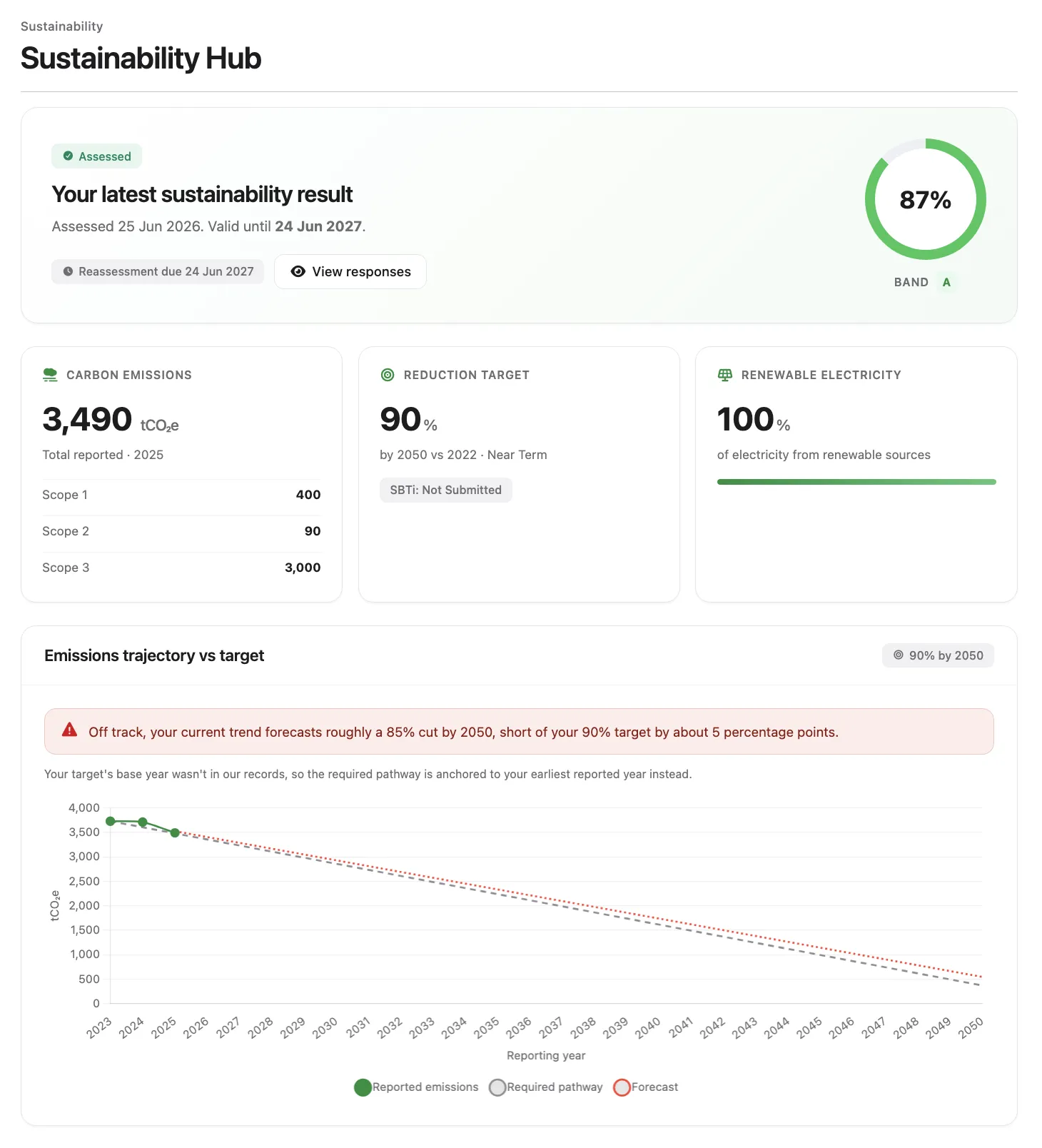
Sustainability is becoming an increasingly important part of doing business in construction. Whether you're responding to a pre-qualification questionnaire (PQQ), working towards Net Zero or strengthening your environmental credentials, clients are increasingly asking suppliers to demonstrate their sustainability performance. The Mobilize Sustainability Assessment has been designed to make that process simple. Rather than completing different sustainability questionnaires for multiple clients, suppliers complete a single structured assessment that measures their sustainability performance, records supporting evidence and provides instant feedback on where they are performing well and where improvements can be made. The same assessment can then be viewed by participating supply chain owners, reducing duplicated effort. In this guide, we'll explain how to register, complete your assessment and make the most of the information it provides.