


Summary
Accurate supplier data is the foundation of effective supply chain management, yet it is often overlooked. In construction, where supply chains are complex and compliance requirements are strict, poor supplier data can create significant operational, financial and compliance risks. Something as simple as an incorrect company name, outdated insurance information or duplicate supplier records can lead to delays, audit failures, payment issues and exposure to unnecessary risk. As organisations increasingly rely on data to make decisions, maintaining accurate supplier information is no longer an administrative task, it is a critical part of supply chain governance.
What Is Supplier Data?
Supplier data refers to the information organisations hold about suppliers to manage onboarding, compliance, contracts, payments and performance.
This typically includes:
- Legal company name
- Trading name
- Company registration number
- VAT number
- Insurance information
- Certifications and accreditations
- Registered and operational addresses
- Key contacts
- Bank details
- Payment terms
- Performance and audit history
This data is often used across procurement, finance, compliance and operational teams.
Why Supplier Data Accuracy Matters
Supplier data is used to make critical business decisions.
If the information is inaccurate, the consequences can be significant.
Poor supplier data can affect:
- Supplier onboarding
- Compliance verification
- Financial controls
- Contract management
- Audit readiness
- Risk management
- Reporting and decision-making
Bad data doesn’t just create admin issues, it creates business risk.
Common Supplier Data Problems
1. Legal Entity Mismatches
A supplier may trade under one name but be legally registered under another.
This creates confusion around:
- Contracts
- Insurance validation
- Payment processing
- Compliance checks
If the legal entity doesn’t match supporting documentation, you may be contracting with the wrong business.
2. Duplicate Supplier Records
It’s common for the same supplier to appear multiple times under different names or formats.
Examples:
- ABC Construction Ltd
- ABC Construction
- ABC Group
This leads to:
- Conflicting data
- Duplicate compliance tracking
- Reporting inaccuracies
- Increased admin overhead
3. Outdated Compliance Information
Supplier data quickly becomes stale if not actively managed.
Common examples:
- Expired insurance certificates
- Old accreditations
- Outdated health & safety policies
- Incorrect contact details
This creates hidden compliance gaps.
4. Inconsistent Data Across Teams
Procurement may hold one version of supplier data.
Finance may hold another.
Operations may rely on spreadsheets or emails.
This creates:
- Confusion
- Delays
- Duplicate work
- Poor decision-making
5. Manual Data Updates
Many supplier changes are still handled via:
- Email requests
- Spreadsheet edits
- Shared folders
This introduces:
- Human error
- No audit trail
- Delayed updates
- Limited accountability
Financial Risks of Poor Supplier Data
Inaccurate supplier data can create serious financial exposure.
Examples include:
- Payments sent to incorrect entities
- Duplicate supplier payments
- Fraud risk from poor bank detail controls
- Contract disputes over entity mismatches
What appears to be a simple data issue can quickly become a finance problem.
Compliance and Audit Risks
Construction organisations face increasing scrutiny around supplier compliance.
Poor data can result in:
- Invalid compliance checks
- Insurance mismatches
- Missing audit evidence
- Difficulty proving due diligence
This is especially problematic for:
- Tier 1 contractors
- Framework providers
- Regulated environments
Operational Impact
Beyond compliance, poor supplier data slows day-to-day operations.
Common impacts include:
- Slower onboarding
- Delays approving suppliers
- Repeated information requests
- Time spent correcting records
- Reduced trust in reporting
Teams spend more time fixing data than using it.
How to Improve Supplier Data Accuracy
1. Create a Single Source of Truth
Supplier data should be managed centrally, not across multiple spreadsheets and systems.
A single master supplier record reduces:
- Duplication
- Conflicting information
- Version control issues
2. Validate Data at Onboarding
Verify:
- Legal entity details
- Company registration numbers
- VAT information
- Insurance and certifications
Getting it right at the start prevents issues later.
3. Introduce Change Control Processes
Supplier data changes should follow a controlled approval process.
Examples:
- Company name changes
- Bank detail updates
- Contact changes
This improves governance and reduces risk.
4. Schedule Regular Reviews
Supplier data should not be treated as static.
Review regularly:
- Compliance documents
- Contact details
- Certifications
- Financial information
5. Digitise Supplier Data Management
Manual processes make data quality difficult to maintain.
Digital supplier management systems help:
- Centralise records
- Automate updates
- Improve audit trails
- Reduce human error
- Increase visibility
Conclusion
Inaccurate supplier data is often treated as a minor administrative issue, but in reality, it creates significant operational, financial and compliance risk.
As construction supply chains become more complex, organisations must take supplier data governance seriously.
Because strong supply chain decisions depend on accurate data.

Posted on 11 May 2026

Planning Your 2027 Construction Compliance Calendar: What to Prepare for Now
2027 might still feel some way off, but effective compliance management starts long before January. Supplier insurances expire, accreditations need renewing, PQQ information becomes outdated and regulatory requirements continue to evolve. Planning your compliance calendar now can help your business stay ahead of deadlines, reduce supplier risk and avoid the last-minute rush.

The Building Safety Levy: What It Means for Your Supply Chain Costs
From 1st October 2026, the Building Safety Levy will introduce a new cost for many residential developments in England, with funds contributing towards the remediation of historic building safety defects. While the levy is payable by developers rather than suppliers, additional development costs inevitably raise questions about budgets, procurement and supply-chain pressure. We look at what is changing, who the levy affects and why strong supply-chain management will become even more important.
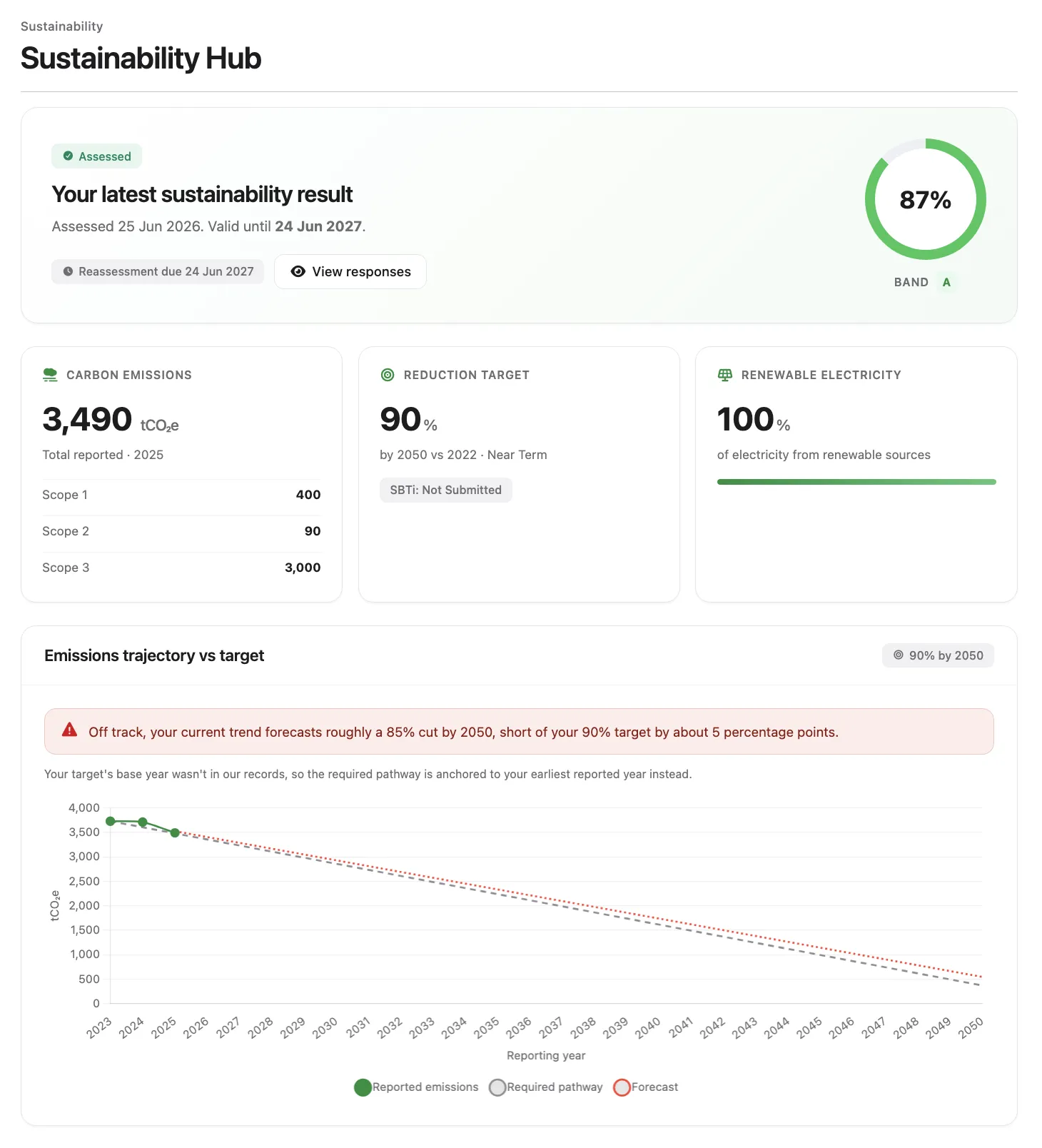
How to Complete the Mobilize Sustainability Assessment
Sustainability is becoming an increasingly important part of doing business in construction. Whether you're responding to a pre-qualification questionnaire (PQQ), working towards Net Zero or strengthening your environmental credentials, clients are increasingly asking suppliers to demonstrate their sustainability performance. The Mobilize Sustainability Assessment has been designed to make that process simple. Rather than completing different sustainability questionnaires for multiple clients, suppliers complete a single structured assessment that measures their sustainability performance, records supporting evidence and provides instant feedback on where they are performing well and where improvements can be made. The same assessment can then be viewed by participating supply chain owners, reducing duplicated effort. In this guide, we'll explain how to register, complete your assessment and make the most of the information it provides.