
Summary
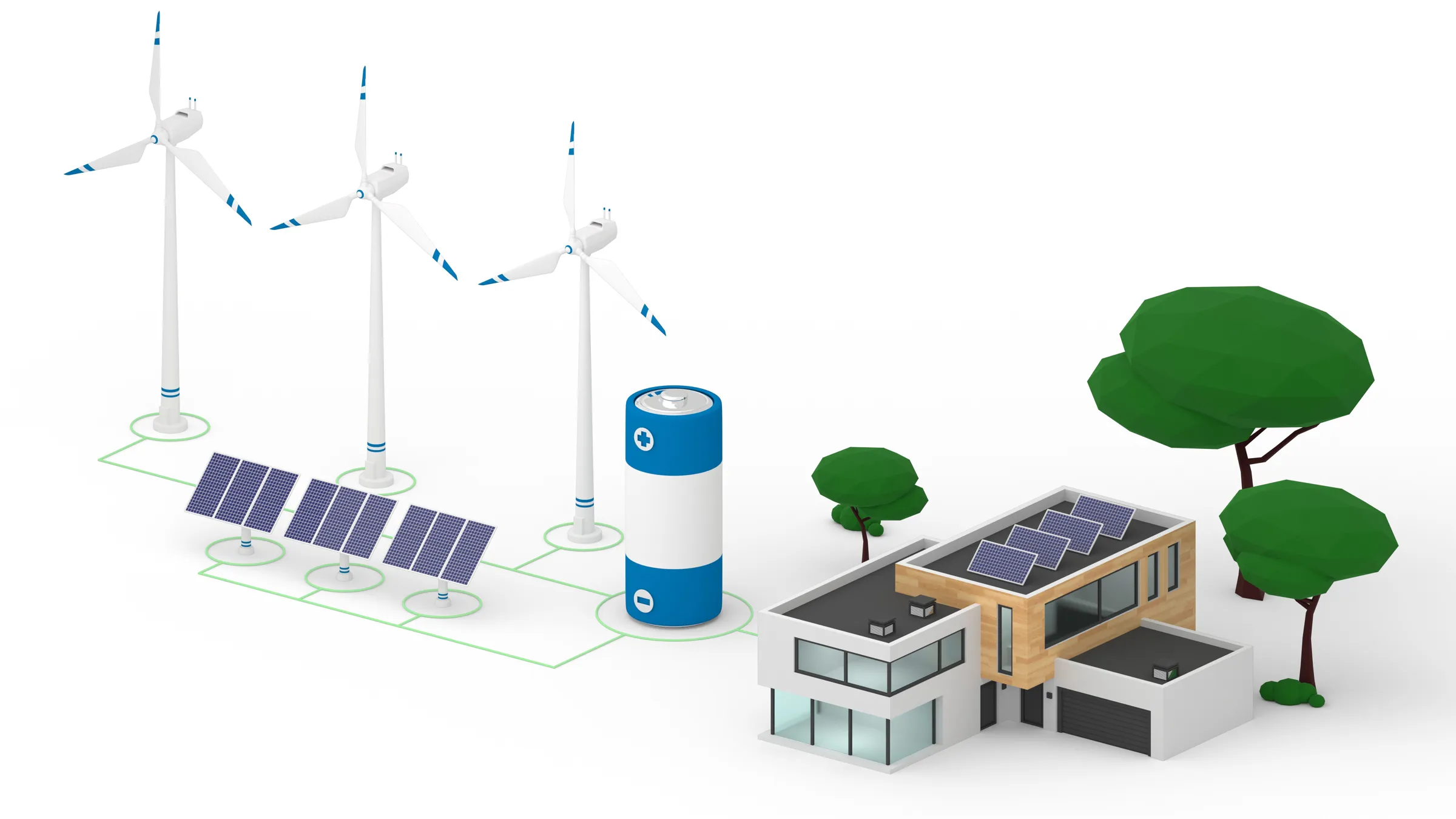
The UK’s transition to renewable energy is accelerating rapidly, with major investment in wind, solar and energy infrastructure projects. However, behind this growth lies a critical challenge: supply chain risk. From material shortages to supplier compliance issues, renewable energy projects are increasingly exposed to disruption. Without the right controls in place, these risks can lead to delays, cost overruns and reputational damage. This guide explores the key supply chain risks in UK renewable energy projects and how to manage them effectively.
Why Supply Chain Risk Is Increasing in Renewable Energy
Renewable energy projects are fundamentally different from traditional construction projects.
They often involve:
- Global supply chains
- Specialist components
- Strict regulatory requirements
- Long project timelines
As demand grows, pressure on suppliers increases making risk management more important than ever.
Key Supply Chain Risks in Renewable Energy Projects
1. Material Shortages and Global Dependency
Many renewable technologies rely on materials sourced globally, including:
- Solar panels
- Wind turbine components
- Batteries and storage systems
Disruptions in global supply chains can lead to:
- Delayed deliveries
- Increased costs
- Project timeline overruns
👉 UK projects are particularly vulnerable due to reliance on imported components.
2. Supplier Capacity and Capability
As demand for renewable projects rises, suppliers can become overstretched.
Risks include:
- Inability to meet deadlines
- Reduced quality due to scaling pressures
- Lack of skilled labour
👉 Not all suppliers are equipped to handle large-scale or specialised projects.
3. Compliance and Certification Risks
Renewable energy projects must meet strict regulatory and environmental standards in the UK.
Common issues include:
- Missing or expired certifications
- Non-compliance with safety regulations
- Inconsistent documentation across suppliers
👉 This can result in project delays or disqualification from frameworks.
4. Financial Stability of Suppliers
The rapid expansion of the renewable sector has led to new and emerging suppliers entering the market.
While this increases competition, it also introduces risk:
- Suppliers with limited financial history
- Cash flow issues during long projects
- Risk of insolvency mid-project
5. Logistics and Transportation Challenges
Transporting large or sensitive components, such as wind turbine blades, introduces logistical complexity.
Risks include:
- Delays due to transport restrictions
- Damage in transit
- Limited availability of specialist logistics providers
6. ESG and Sustainability Requirements
Renewable projects are expected to meet high environmental, social and governance (ESG) standards.
However:
- Verifying supplier sustainability claims can be difficult.
- Data may be inconsistent or incomplete.
- Supply chains may lack transparency.
👉 This creates both compliance and reputational risk.
7. Lack of Supply Chain Visibility
One of the biggest risks is simply not having full visibility across the supply chain.
Without centralised data, organisations struggle to:
- Track supplier compliance
- Monitor document expiry
- Identify risks early
How to Mitigate Supply Chain Risks
1. Pre-Qualify Suppliers Thoroughly
Use structured onboarding processes (such as PQQs) to ensure suppliers meet minimum standards before engagement.
2. Centralise Supplier Data
Avoid relying on spreadsheets and emails.
Instead:
- Store supplier data in one system
- Track compliance documents
- Maintain a single source of truth
3. Monitor Supplier Performance
Track key metrics such as:
- Delivery performance
- Quality standards
- Compliance status
4. Diversify Your Supply Chain
Avoid over-reliance on a single supplier or region.
Having alternatives reduces exposure to disruption.
5. Plan for Long Lead Times
Build realistic timelines that account for:
- Manufacturing delays
- Shipping constraints
- Regulatory approvals
6. Improve Communication and Collaboration
Strong relationships with suppliers improve:
- Transparency
- Issue resolution
- Project outcomes
7. Digitise Supply Chain Management
Digital platforms help you:
- Automate compliance tracking
- Reduce manual errors
- Improve visibility across projects
Conclusion
As the UK accelerates towards a greener future, renewable energy projects will continue to grow in scale and complexity.
But with that growth comes increased supply chain risk.
Organisations that take a proactive approach through better data, stronger supplier management and digital tools will be best positioned to deliver projects successfully.

Posted on 30 Mar 2026
Related platformMobilize
Supply Chain Management
You’re chasing suppliers for certificates that expired last month. Mobilize onboards them once, then keeps insurance, accreditations and PQQ answers current automatically, so you know who is approved before you tender.
Find out more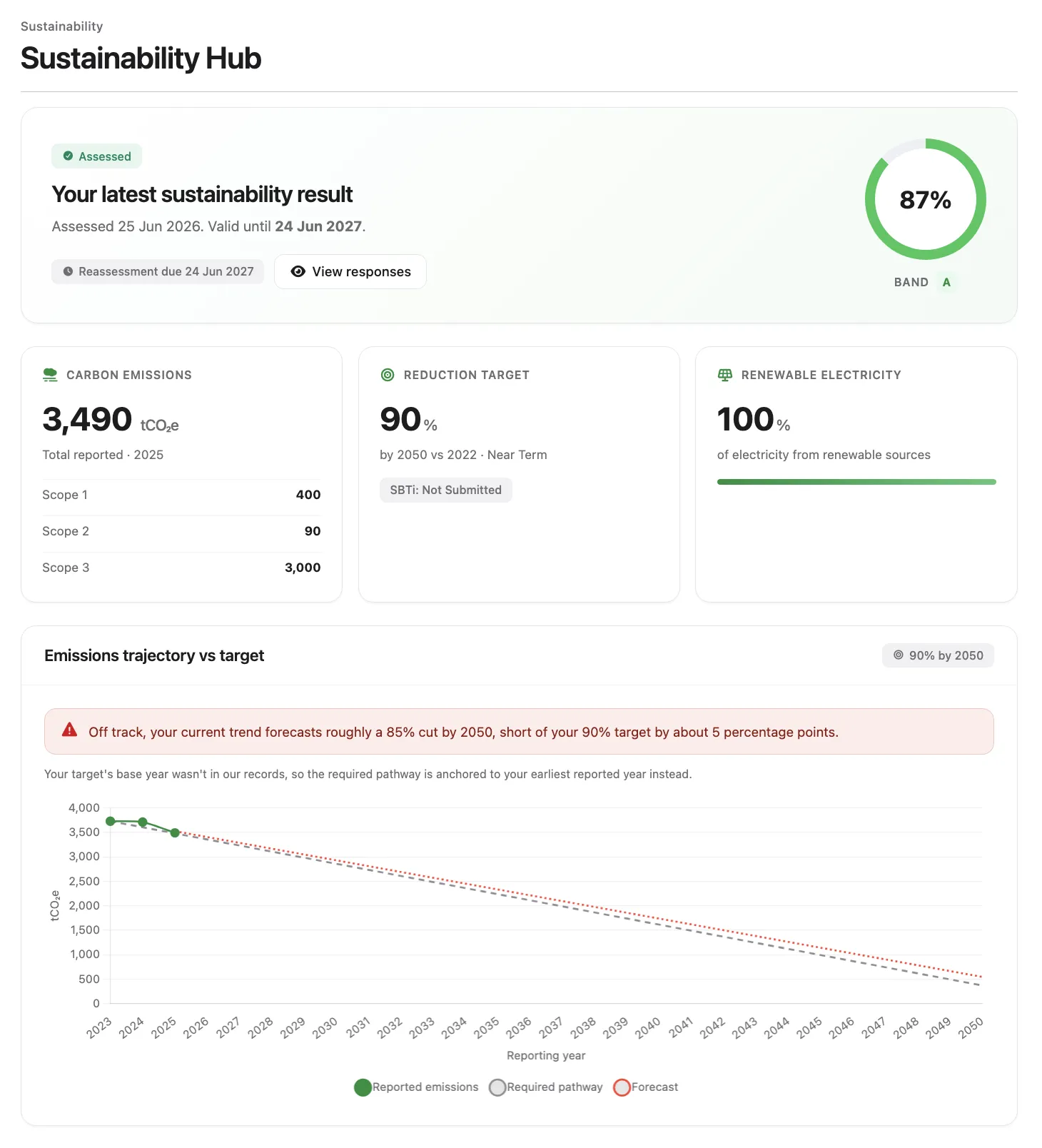
How to Complete the Mobilize Sustainability Assessment
Sustainability is becoming an increasingly important part of doing business in construction. Whether you're responding to a pre-qualification questionnaire (PQQ), working towards Net Zero or strengthening your environmental credentials, clients are increasingly asking suppliers to demonstrate their sustainability performance. The Mobilize Sustainability Assessment has been designed to make that process simple. Rather than completing different sustainability questionnaires for multiple clients, suppliers complete a single structured assessment that measures their sustainability performance, records supporting evidence and provides instant feedback on where they are performing well and where improvements can be made. The same assessment can then be viewed by participating supply chain owners, reducing duplicated effort. In this guide, we'll explain how to register, complete your assessment and make the most of the information it provides.

Why Carbon Data Is Only as Good as the Information Behind It
As sustainability becomes a greater priority across the construction industry, organisations are investing more time and resources into measuring their carbon emissions. From Carbon Reduction Plans to Scope 1, Scope 2 and Scope 3 reporting, businesses are gathering more environmental data than ever before. But there is one question that often gets overlooked: Can you trust the data you're reporting? After all, even the most ambitious sustainability strategy is only as good as the information it's built on. If your carbon data is incomplete, inconsistent or out of date, the decisions you make and the reports you produce may not reflect the true environmental impact of your business.
What Makes a Good Carbon Reduction Plan?
Carbon Reduction Plans (CRPs) have become an increasingly common requirement across the construction industry, particularly when bidding for public sector contracts and working with larger contractors. However, whilst many organisations now have a Carbon Reduction Plan, not all plans provide the same value. Some are little more than a compliance exercise, produced once, uploaded to a website and forgotten about. Others become a valuable business tool that helps organisations understand their emissions, engage their supply chain and make measurable progress towards their sustainability goals. So, what separates a good Carbon Reduction Plan from a poor one?