


Summary
Tender selection in UK construction is evolving beyond price and compliance forms to become a strategic, data-driven decision process. By leveraging supplier compliance history, performance indicators, capacity insights and commercial behaviour data, organisations can make more informed, objective and defensible decisions ultimately improving delivery outcomes and strengthening supply chain performance. This approach supports better governance, reduces risk and aligns procurement outcomes with commercial and operational goals providing a competitive advantage for organisations serious about supply chain excellence.
Introduction
In today’s competitive UK construction market, successful tender selection is increasingly data-driven. Gone are the days when procurement decisions were based solely on price, reputation or gut instinct. Instead, forward-looking organisations are using rich supplier data including compliance history, past performance, capacity indicators and risk markers to make better, faster and more objective tender decisions.
This approach not only improves commercial outcomes, but also reduces delivery risk, enhances supplier relationships, and strengthens governance across the supply chain.
In this article we explore how data can empower tender selection and what leading construction organisations measure before awarding work.
Why Data-Driven Tender Selection Matters
Traditional tendering approaches often focus narrowly on bid pricing and submission compliance. While these remain important, they leave organisations exposed to risks such as:
- Awarding work to suppliers with poor delivery history.
- Deadlines unmet due to capacity constraints.
- Compliance or documentation failures causing delay and risk.
- Poor commercial outcomes due to hidden performance issues.
Data-driven tender selection aims to reduce these risks by bringing objective, quantifiable insight into the process moving beyond subjective evaluation to evidence-based decision making.
What Data Valuable for Tender Selection Looks Like
Before we explore how data drives decisions, it helps to understand what types of data are most useful:
1. Supplier Compliance History
Lagging compliance, such as expired certifications or missing insurance is a leading indicator of future risk. Ensuring that prospective bidders have consistent compliance records over time reduces delays and administrative burden.
2. Past Performance Indicators
Historical performance tells you more about a supplier than a static capability statement. Key areas include:
- Delivery reliability and programme adherence.
- Quality outcomes and history.
- Safety performance and incident records.
By reviewing performance metrics from past engagements, organisations can identify suppliers that consistently deliver on commitments.
3. Utilised Capacity and Workload
Capacity is a critical but often overlooked tender decision factor. If a supplier is already heavily committed, awarding further work may risk late delivery, resource strain or quality decay.
A useful measure is the proportion of a supplier’s historic turnover that remains unpaid, relative to current project workload indicating how much capacity they might realistically have for new work.
4. Commercial Behavioural Indicators
Data can reveal commercial strengths or weaknesses such as:
- Timeliness of valuations and payment submissions.
- Responsiveness to variations and contractual changes.
- Trends in disputes or cost escalations.
These indicators help tender boards assess commercial suitability as well as technical capability.
How to Use Data in the Tender Evaluation Process
Data is only valuable if it is integrated into decision workflows. Here are key steps construction organisations use when embedding data into their tender evaluation processes:
Step 1: Define Evaluation Data Points Upfront
Before tenders are even invited, agree as a team on the data criteria that matter most. Typical criteria can include:
Category | Example Data Points |
Compliance | Current certificates, audit history, insurance status |
Performance | Delivery timeliness, quality scores, safety records |
Capacity | Workload utilisation, unpaid turnover ratio |
Commercial | Predictability of valuations, frequency of variations |
Defining these data points at the outset ensures consistency and transparency across tender evaluations.
Step 2: Use Historical Data to Benchmark Suppliers
Benchmarking against historical performance helps teams determine expected outcomes rather than rely on assumptions. For example:
- A supplier with consistent on-time delivery across five prior engagements can be weighted more strongly than one with mixed results.
- Those with regular compliance exceptions may require remedial conditions embedded in contracts.
Benchmarking brings context to tender evaluation and encourages smaller, incremental improvements.
Step 3: Score and Compare Quantitatively
Rather than a binary compliant/not-compliant check, data enables further weighted scoring during tender and project performance assessments. Typical scoring models might include:
- Tender Engagement.
- Quality of communication.
- Competitiveness.
- Delivery performance.
- Health and safety on site.
- Cost and contract.
- Quality of work.
This creates an overall score that supports fair and justifiable tender selection.
Step 4: Use Data to Inform Dialogue with Bidders
Instead of data operating only behind the scenes, it can be used to inform discussions with bidders where appropriate. For example:
- Clarifying capacity concerns during presentations.
- Discussing past performance challenges directly with responders.
- Setting expectations for contract conditions before appointment.
This type of engagement improves transparency and builds stronger supplier relationships.
Benefits of Data-Driven Tender Selection
When data is central to tender decisions, organisations realise real commercial and operational benefits:
- Reduced delivery risk: Decisions are based on evidence rather than assumption.
- Fewer surprises post-award: Better insight into performance and capacity lowers late-stage issues.
- Improved governance: Data creates defensible decision trails, which is especially valuable in audit environments.
- Stronger supplier relationships: Transparent, data-informed decisions build credibility with suppliers.
- Enhanced competitive tension: Suppliers understand the criteria and can improve where necessary.
Overcoming Barriers to Data-Driven Tendering
A transition to data-driven tender evaluation may challenge traditional ways of working. Common barriers include:
- Legacy systems and disconnected data sources.
- Resistance to change from internal stakeholders.
- Limited historical data or inconsistent record-keeping.
- Perception that data adds complexity.
Organisations overcome these barriers by prioritising data integration, consistency, and early engagement with all procurement stakeholders.

Posted on 02 Feb 2026
Related platformMobilize
Supply Chain Management
You’re chasing suppliers for certificates that expired last month. Mobilize onboards them once, then keeps insurance, accreditations and PQQ answers current automatically, so you know who is approved before you tender.
Find out more
Planning Your 2027 Construction Compliance Calendar: What to Prepare for Now
2027 might still feel some way off, but effective compliance management starts long before January. Supplier insurances expire, accreditations need renewing, PQQ information becomes outdated and regulatory requirements continue to evolve. Planning your compliance calendar now can help your business stay ahead of deadlines, reduce supplier risk and avoid the last-minute rush.

The Building Safety Levy: What It Means for Your Supply Chain Costs
From 1st October 2026, the Building Safety Levy will introduce a new cost for many residential developments in England, with funds contributing towards the remediation of historic building safety defects. While the levy is payable by developers rather than suppliers, additional development costs inevitably raise questions about budgets, procurement and supply-chain pressure. We look at what is changing, who the levy affects and why strong supply-chain management will become even more important.
How to Complete the Mobilize Sustainability Assessment
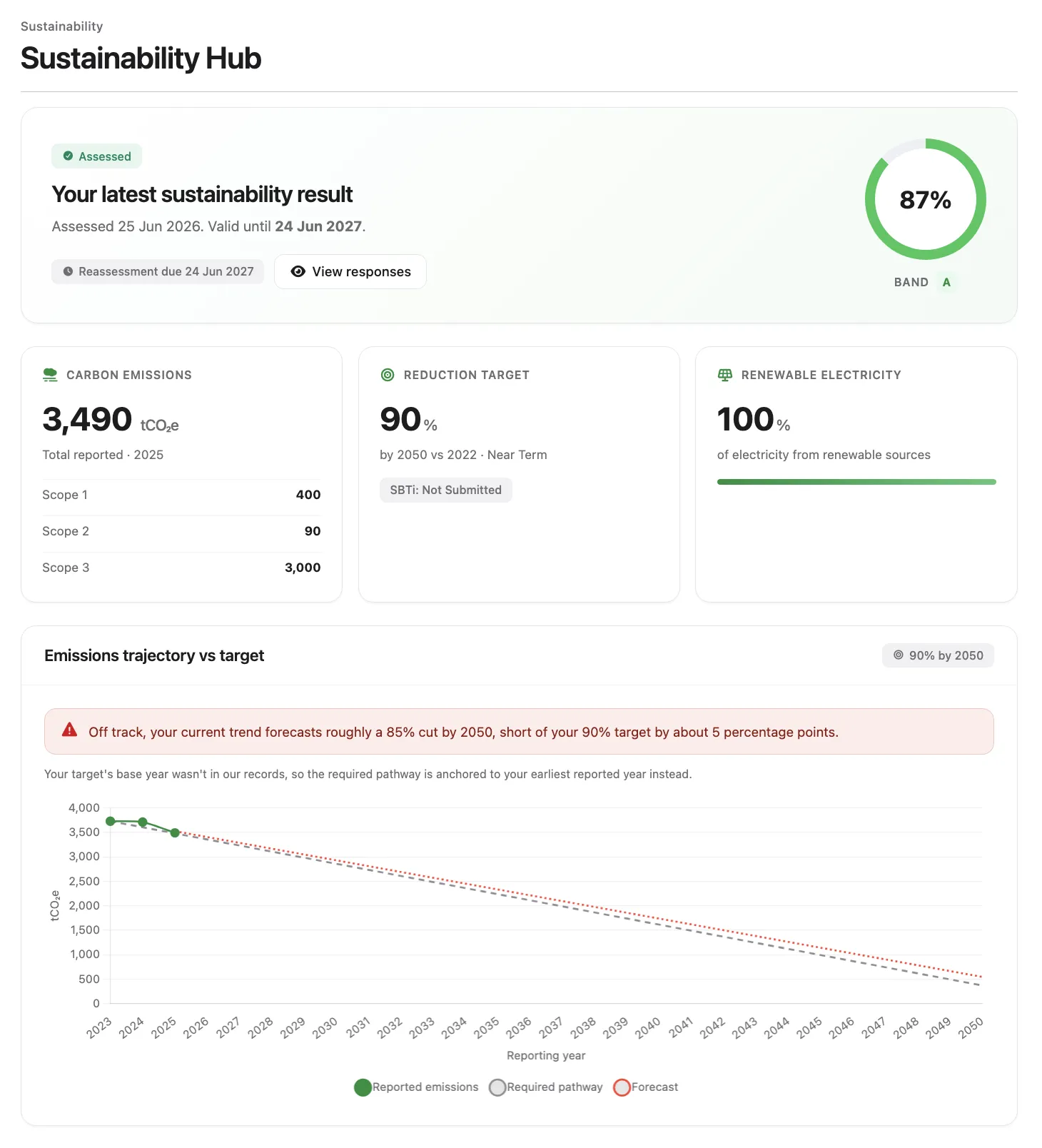
Sustainability is becoming an increasingly important part of doing business in construction. Whether you're responding to a pre-qualification questionnaire (PQQ), working towards Net Zero or strengthening your environmental credentials, clients are increasingly asking suppliers to demonstrate their sustainability performance. The Mobilize Sustainability Assessment has been designed to make that process simple. Rather than completing different sustainability questionnaires for multiple clients, suppliers complete a single structured assessment that measures their sustainability performance, records supporting evidence and provides instant feedback on where they are performing well and where improvements can be made. The same assessment can then be viewed by participating supply chain owners, reducing duplicated effort. In this guide, we'll explain how to register, complete your assessment and make the most of the information it provides.