
Summary
U.S. construction and infrastructure organisations are operating in an increasingly complex environment. They are facing: • Heightened regulatory compliance demands (OSHA, FDA, DOL, Buy American Act, cybersecurity requirements such as CMMC). • Greater supplier diversity and inclusion expectations from public and private sector buyers. • Ongoing supply chain disruption caused by trade tensions, natural disasters and labour shortages. • Pressure to demonstrate measurable ESG performance across sourcing, operations and sustainability reporting. At the same time, many organisations still rely on spreadsheets, email chains and manual document tracking to manage suppliers. That approach is no longer sustainable. To remain competitive and compliant, companies must transition from fragmented supplier administration to a digitally integrated supply chain ecosystem that delivers visibility, governance and accountability at scale.
Build a Strong Digital Supplier Onboarding Foundation
Supplier performance begins with structured onboarding.
Without consistent vetting processes, organisations expose themselves to financial, operational and reputational risk.
Best Practices for Modern Onboarding:
- Standardised digital questionnaires tailored by trade or industry.
- Automated collection of insurance, safety certifications and diversity documentation.
- Real-time completeness tracking and automated reminders.
- Centralised supplier data storage.
Digital onboarding reduces administrative bottlenecks, accelerates approval timelines and increases capacity to onboard diverse, qualified suppliers efficiently.
Enable Continuous Compliance and Risk Monitoring
Compliance is not a one-time checkbox, it is a continuous obligation.
In the U.S., failure to maintain up-to-date documentation can jeopardise contract eligibility, especially when working with federal or state agencies.
A digital compliance platform should provide:
- Automated alerts when insurance or certifications are nearing expiry.
- Risk management based on safety records, financial health and regulatory standing.
- Audit-ready document trails for internal reviews or external assessments.
- Real-time supplier status dashboards.
Proactive monitoring reduces last-minute scrambling and ensures regulatory confidence across projects.
Align Procurement With Strategic Business Objectives
Procurement must evolve from administrative function to strategic driver.
Disconnected systems create blind spots between supplier credentials, spend management and operational performance.
Modern digital supply chain platforms enable:
- Real-time supplier compliance dashboards .
- Integrated workflows connecting onboarding, purchasing and financial data.
- Seamless collaboration between sourcing, contract management and performance teams.
- Centralised supplier intelligence across the enterprise.
A single source of truth improves leadership visibility, risk management and ROI.
Empower Suppliers Through Transparency and Collaboration
High-performing supply chains depend on strong supplier relationships.
Suppliers perform better when they clearly understand expectations and have visibility into their status.
Digital platforms support collaboration through:
- Real-time onboarding progress tracking.
- Automated renewal notifications.
- Shared performance dashboards.
- Structured communication workflows.
This reduces administrative friction and increases responsiveness, strengthening long-term partnerships.
Embed Performance Measurement Across the Supplier Lifecycle
Supplier performance directly affects cost, quality and delivery outcomes.
Leading organisations continuously measure:
- On-time delivery performance.
- Quality defect rates and corrective action trends.
- Safety records and incident histories.
- ESG and diversity metrics.
Digital performance tracking transforms static data into actionable insight, enabling proactive supplier improvement and data-driven procurement decisions.
How Mobilize Solves These Challenges
Mobilize by Liaison Systems is designed specifically to address the compliance, visibility and performance gaps facing U.S. construction and infrastructure organisations.
Mobilize delivers:
- Structured digital onboarding workflows.
- Automated document collection and expiry management.
- Built-in compliance monitoring aligned to U.S. regulatory requirements.
- Centralised supplier dashboards with real-time status tracking.
- Integrated procurement visibility connecting supplier approval to tendering.
- Performance measurement tools that drive accountability and improvement.
By unifying onboarding, compliance, procurement and supplier performance into one integrated platform, Mobilize eliminates spreadsheet dependency and manual chasing.
The result is reduced risk exposure, improved supplier transparency and a more resilient, data-driven supply chain.
Conclusion
In an era defined by economic volatility, regulatory scrutiny and ESG accountability, digital supply chain transformation is no longer optional for the U.S. construction sector.
It is a strategic necessity.
Organisations that move beyond manual supplier management toward integrated digital platforms gain:
- Greater compliance confidence.
- Faster onboarding cycles.
- Stronger supplier relationships.
- Improved procurement ROI.
- Enhanced operational resilience.
Digital transformation is not simply about technology, it is about building a future-ready supply chain capable of adapting to market change with speed and confidence.

Posted on 16 Feb 2026
Related platformMobilize
Supply Chain Management
You’re chasing suppliers for certificates that expired last month. Mobilize onboards them once, then keeps insurance, accreditations and PQQ answers current automatically, so you know who is approved before you tender.
Find out more
Planning Your 2027 Construction Compliance Calendar: What to Prepare for Now
2027 might still feel some way off, but effective compliance management starts long before January. Supplier insurances expire, accreditations need renewing, PQQ information becomes outdated and regulatory requirements continue to evolve. Planning your compliance calendar now can help your business stay ahead of deadlines, reduce supplier risk and avoid the last-minute rush.

The Building Safety Levy: What It Means for Your Supply Chain Costs
From 1st October 2026, the Building Safety Levy will introduce a new cost for many residential developments in England, with funds contributing towards the remediation of historic building safety defects. While the levy is payable by developers rather than suppliers, additional development costs inevitably raise questions about budgets, procurement and supply-chain pressure. We look at what is changing, who the levy affects and why strong supply-chain management will become even more important.
How to Complete the Mobilize Sustainability Assessment
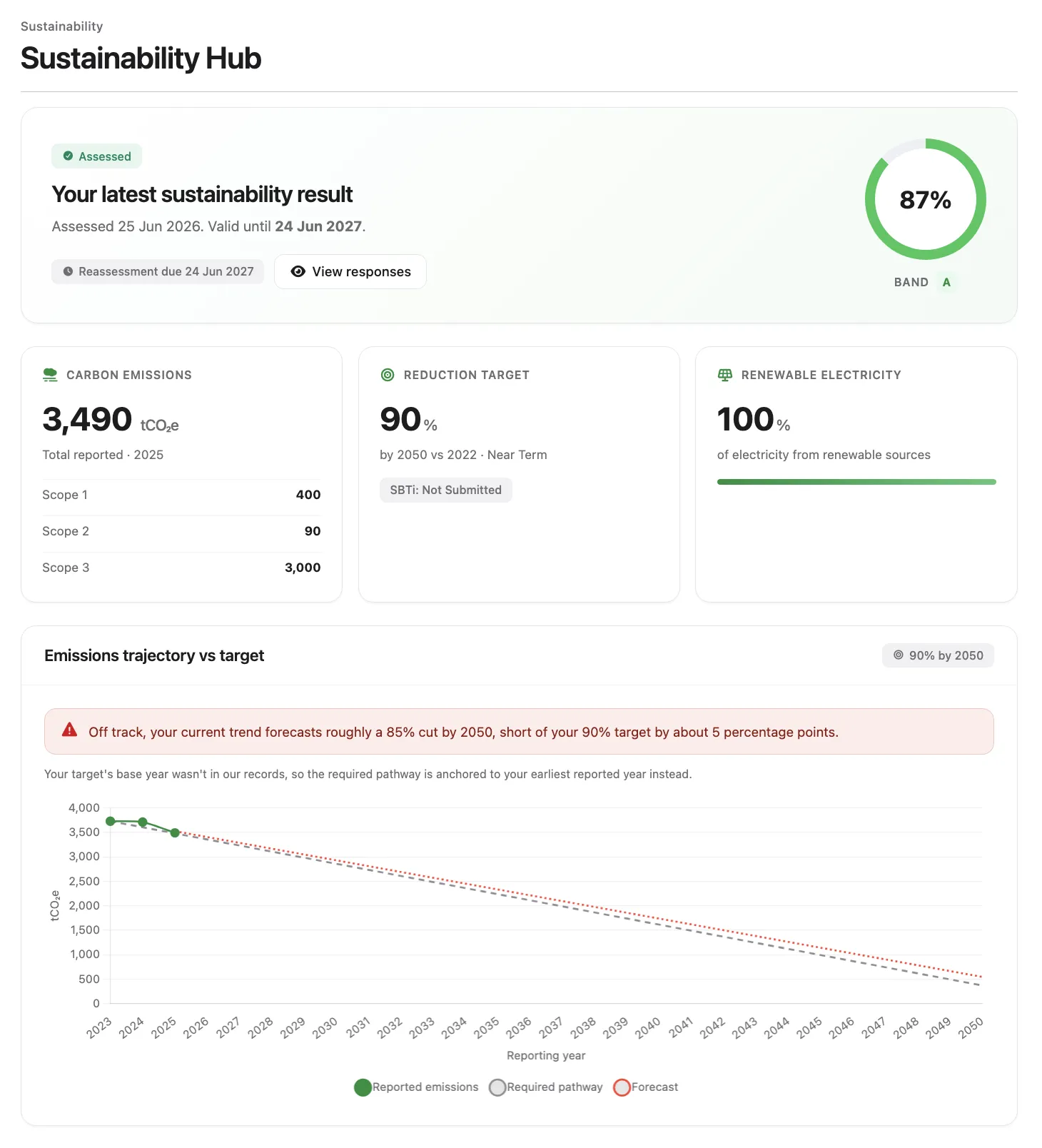
Sustainability is becoming an increasingly important part of doing business in construction. Whether you're responding to a pre-qualification questionnaire (PQQ), working towards Net Zero or strengthening your environmental credentials, clients are increasingly asking suppliers to demonstrate their sustainability performance. The Mobilize Sustainability Assessment has been designed to make that process simple. Rather than completing different sustainability questionnaires for multiple clients, suppliers complete a single structured assessment that measures their sustainability performance, records supporting evidence and provides instant feedback on where they are performing well and where improvements can be made. The same assessment can then be viewed by participating supply chain owners, reducing duplicated effort. In this guide, we'll explain how to register, complete your assessment and make the most of the information it provides.